Testing Diamond Embroidery for Personalized Gifts
When I first opened the Diamond machine embroidery design, I was curious how a shape-based motif would perform in a real gift shop setting. I run a small embroidery studio that supplies personalized items to local boutiques and Etsy sellers, so I test every new file with practical customer orders in mind. Diamond comes from the Shapes category, and it immediately struck me as a design that could bridge modern elegance with handmade warmth. Let me walk you through how this embroidery file holds up when you are planning baby gifts, wedding keepsakes, towels, blankets, and more.
First Impressions of Diamond
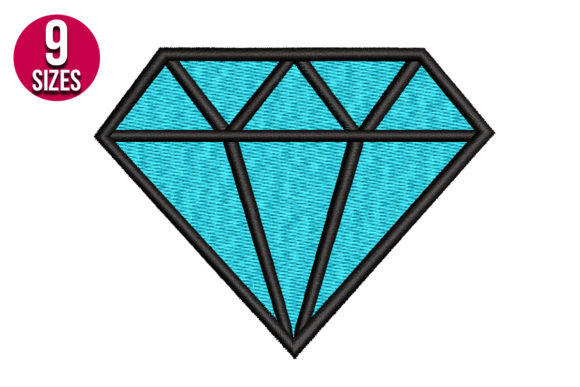
The Diamond design feels refined without being fussy. It offers a clean, geometric silhouette that reads as both contemporary and timeless. The mood is sophisticated yet approachable, making it suitable for a wide range of recipients. I personally found it has a certain solemn charm that works beautifully for commemorative gifts, but it also has enough sparkle to feel playful when paired with bright thread colors. The level of detail is moderate, which means it stitches out cleanly without overwhelming the fabric. This is a design that says handmade quality without shouting.
Who Is Attracted to Diamond
From my experience selling finished products, Diamond appeals to customers who want something special but not overly cutesy. It attracts brides looking for wedding date motifs, new parents who want a subtle gender-neutral baby embroidery, and people purchasing housewarming gifts that feel personal. The design also resonates with customers who appreciate modern aesthetics and want their personalized gift to look intentional, not generic. If you are an Etsy seller or a small shop product creator, you will find that Diamond opens up conversations about quality and craftsmanship.
Best Uses for Diamond in Gift Products
I have tested Diamond on several product types, and here is where it shines brightest:
- Embroidered towels – The design sits nicely on a towel hem or border. It adds a touch of luxury without making the fabric too stiff.
- Pillow covers – A single diamond motif centered on a throw pillow creates a sophisticated focal point.
- Blanket embroidery – Whether it is a baby blanket or a wedding throw, Diamond adds a delicate accent that feels heirloom-worthy.
- Custom tote bags – This design works well on canvas or cotton totes, especially when paired with a monogram or name.
- Kitchen aprons – A small diamond on the pocket or chest area gives a professional finish to handmade aprons.
- Nursery decor – The geometric shape fits naturally into modern nursery themes and coordinates with other simple motifs.
- Baby embroidery – For onesies or bibs, Diamond is subtle enough to not overwhelm tiny garments.
- Wedding keepsakes – Embroidered handkerchiefs, ring bearer pillows, or bridal robes all benefit from this refined design.
- Family keepsakes – Adding initials or a date inside or beside the diamond turns it into a meaningful personal record.
- Craft fair products – The design photographs well and attracts attention at markets because it looks clean and professional.
Where to Use Diamond with Care
No design is perfect for every surface, and Diamond requires some thoughtful placement. Here are areas where I recommend caution:
- Small lettering combined with Diamond – If you add text inside or near the design, make sure the letter height is large enough to read after stitching. The diamond shape can crowd tiny fonts.
- Delicate details – The design has some fine elements that may not show well on very textured fabrics. Test on a scrap first.
- Textured fabric – Terry cloth, fleece, or thick knits can swallow the details. Use a lightweight stabilizer and check stitch quality.
- Thick towels – Towel loops can distort the shape. Hoop carefully and use a water-soluble stabilizer on top.
- Stretchy baby clothes – Onesies and knit fabrics require a cutaway stabilizer to prevent puckering around the diamond.
- Curved surfaces – Hats, sleeves, or curved pockets may cause the design to distort. Use a curved hoop if available.
- Dark fabric – If the thread color does not contrast enough, the diamond details can disappear. Always stitch a mockup on dark fabric first.
- Products that need frequent washing – Towels, baby blankets, and aprons will be washed often. Use high-quality thread and a stable backing to prevent shrinkage distortion.
How Diamond Affects Giftability and Perceived Value
One of the biggest questions I ask before adding a new design to my shop is whether it makes the finished product feel more valuable. Diamond passes that test easily. When customers see a clean, well-placed diamond motif, they perceive the item as deliberately crafted. It elevates a simple towel or tote into something gift-worthy. The emotional connection is strong because the design feels personal without being overtly sentimental. That balance is exactly what many buyers are looking for when they order a custom embroidery gift.
For product photography, Diamond is a dream. It photographs clearly and creates a strong focal point. Whether you are listing on Etsy, posting on social media, or creating a printable mockup for your shop, this design stands out. It also stitches consistently, which means your finished products will match your digital previews. That consistency builds customer trust and encourages repeat orders.
Practical Embroidery Notes for Diamond
Before you use Diamond on a customer order, here are steps I always take:
- Test on scrap fabric – I stitch the design on a piece of fabric similar to the final product. This lets me check stitch quality, thread tension, and overall appearance.
- Check thread color contrast – The diamond shape relies on clear outlines. If your thread is too close to the fabric color, the design will not pop. I recommend testing at least two color combinations.
- Confirm hoop size – Make sure the design fits within your hoop with room for stabilizer. If the file came with a recommended hoop size, verify it against your equipment.
- Review stitch density – Diamond has moderate density, but if you are stitching on thin or delicate fabric, check that the design does not cause puckering. A lighter stabilizer may help.
- Use proper stabilizer – For most woven fabrics, a medium-weight cutaway stabilizer works well. For knits or stretchy materials, use a cutaway with some flexibility.
- Compare light and dark fabric mockups – I always stitch one version on light fabric and one on dark fabric. The design can look dramatically different depending on contrast.
- Check small details after stitching – Examine the design under good light. Look for skipped stitches, loose threads, or areas where the shape is not crisp.
- Confirm commercial licensing – Before selling finished products with Diamond, check the licensing terms of the file. Some embroidery files allow commercial use, others require an extended license. Always verify this before listing items for sale.
Why Diamond Works for Personalized Gifts
In my small shop, I have used Diamond for a variety of custom orders. One customer wanted a set of embroidered kitchen towels for a wedding gift. She chose a soft gray thread on white linen, and the diamond motif gave the towels a subtle elegance that matched the couple's modern home. Another customer ordered a baby blanket with the diamond stitched in pale mint green. The design felt fresh and gender-neutral, which was exactly what she wanted.
What I appreciate most about this design is its versatility. It does not lock you into one style or occasion. You can use it for a baptism gift, a housewarming present, or a holiday keepsake. The same machine embroidery design can be dressed up with metallic thread or kept simple with matte polyester. It adapts to your thread colors and fabric choices, which is a valuable quality for any digital embroidery file.
Final Thoughts on Diamond for Your Shop
If you are an Etsy seller, a small business owner, or a handmade product creator, Diamond is a design worth adding to your library. It delivers on the promise of a modern, sophisticated look that customers associate with high-quality personalized gifts. The design is practical enough for everyday items like towels and aprons, yet elegant enough for wedding keepsakes and nursery decor. I have stitched it multiple times now, and it consistently performs well across different fabrics and thread combinations.
As with any new embroidery file, take the time to test it on your specific materials. Verify the stitch details, check your hoop compatibility, and confirm that the design matches the vision you have for your products. Once you have done that, I am confident Diamond will become a reliable option in your commercial embroidery workflow. It brings a clean, bold accent to any fabric, and it helps your customers feel confident that they are giving a truly special gift.