Running Horse: A Designer’s Review for Business Merch
As an embroidery designer who has worked with hundreds of small business owners, I know the difference between a design that is just “pretty” and one that actually builds a brand. Running Horse is a machine embroidery design that caught my attention because it promises high quality and multiple file formats out of the box. But the real question is: will it work for your small business merchandise, embroidered patches, and branded apparel? Let’s take a close look from a production and brand identity perspective.
First Impression: Classic, Bold, and Instantly Recognizable
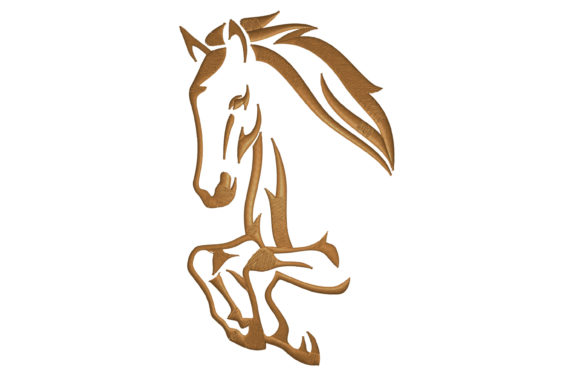
When I first saw the Running Horse design, I immediately thought of movement, freedom, and a rustic elegance. The silhouette of a horse in full stride can feel both classic and modern depending on how you use it. For a business, this design leans toward a professional, confident, and slightly rustic personality. It is not overly playful or delicate—it has a bold presence that works well for businesses that want to project strength, speed, or natural authenticity.
Whether you run a café, a boutique, a florist, a pet brand, or a creative studio, Running Horse gives you a visual anchor that customers can remember. The description mentions it is suitable for pillows, t-shirts, and sweatshirts, but I see much broader potential for branded merchandise, embroidered patches, caps, tote bags, aprons, and even product packaging accents.
Embroidered Patches for Staff Uniforms and Customer Merch
One of the strongest applications for this design is as an embroidered patch. Patches are a favorite among small businesses because they can be sewn onto a variety of items—denim jackets, work shirts, aprons, caps, and even tote bags. Running Horse, with its clear silhouette and moderate detail, stitches out well as a patch. The multiple file formats ensure you can send it to a patch manufacturer or digitize it yourself for in-house production. I recommend testing it at a patch size of around 2.5 to 3 inches wide to maintain the horse’s leg and head definition.
Cap Embroidery: A Small But Powerful Canvas
Cap embroidery is tricky because of the curved surface and limited space. Running Horse can work as a front cap design if you scale it down carefully. The design’s elongated shape (a horse running horizontally) fits naturally on a cap crown. But be cautious: the horse’s tail and mane can lose detail at very small sizes. I suggest a hoop size of at least 5x7 inches for the original design, then reducing it to fit a cap front. Use a dense, stable fabric like cotton twill or structured cap material to avoid distortion.
Apron and Tote Bag Designs for Branded Merch
For a bakery, coffee shop, or handmade brand, an apron with Running Horse creates an instant rustic, artisanal feel. Tote bags are another excellent canvas—the design’s horizontal orientation works well across the center of a canvas tote. Because the design is a single motif, it becomes a focal point that elevates the product from a plain bag to a branded item customers will carry proudly. The multiple embroidery file formats mean you can use it on different backing materials, from cotton to denim to linen.
Small Business Merchandise: Etsy, Craft Fairs, and Customer Gifts
If you sell on Etsy or at craft fairs, Running Horse can be a signature design for your product line. It works as a chest logo accent on t-shirts, a sleeve detail on hoodies, or a small mark on the back of a cap. The design’s boldness makes it readable even from a distance, which is crucial for brand recognition. I would also consider using it as a printable mockup element for your online listings—showing the design on a variety of items helps customers visualize it in their own branding.
Where to Use Running Horse with Caution
No design is perfect for every application. Here are the areas where I advise caution when using Running Horse in a business context:
- Very small patch sizes (under 2 inches) – The horse’s legs and head may lose definition, especially if the stitch count is high. Test at the intended size before committing to a run.
- Cap fronts with tight curves – The design’s length may need to be reduced, and you must use a good cap frame and stabilizer to prevent puckering.
- High stitch density areas – If the horse has a lot of fill stitches, dense areas can cause fabric pull or distortion on lightweight shirts. Use a medium-weight stabilizer and test on scrap fabric.
- Dark uniforms – If you use dark thread colors on dark fabric, the design might not pop. Consider a contrasting thread color such as white, gold, or a bright accent to ensure visibility.
- Frequent washing items – For aprons or work shirts that get washed often, ensure the thread is colorfast and the stabilizer is water-soluble or cut-away for longevity.
Brand Identity Impact: How Running Horse Affects Customer Trust
In my experience, an embroidered design on a product immediately signals quality and professionalism. Running Horse, with its clean lines and dynamic shape, conveys that your business is established, thoughtful, and invested in its visual identity. When customers see a well-executed embroidered patch or logo, they perceive higher value and are more likely to trust your brand. This is especially important for small businesses competing with larger companies—craftsmanship sets you apart.
Using Running Horse consistently across different merchandise (caps, totes, aprons, patches) builds visual consistency. That consistency is what turns a one-time buyer into a repeat customer. The design’s multiple file formats make it easy to reuse across different products and even different embroidery machines, keeping your brand uniform.
Practical Embroidery Designer Notes Before You Produce
Before you run 100 hats or 50 aprons, take these steps that I always recommend to my clients:
- Test it in black and white first – Print a black-and-white copy of the design at actual stitch size to check proportions and negative space. This helps you spot potential issues before you load the machine.
- Check if it works at small patch size – If you plan to use it as a 2-inch patch, reduce the design in your software and run a test stitch-out. Look for lost details in the horse’s mane, tail, and hooves.
- Review thread color contrast – Choose a thread color that stands out against your fabric. For a rustic look, match the design to your brand colors. For a cleaner look, use a single color with high contrast.
- Inspect spacing and density – Make sure there is enough space between the horse’s legs and body to avoid overlapping stitches. Overly dense areas can cause fabric puckering, especially on stretchy materials like t-shirt knits.
- Confirm hoop size – The description says this is a machine embroidery design with multiple formats, but it does not specify the exact hoop size. I recommend contacting the seller or testing with a 5x7 hoop first. If you need a larger hoop for a jacket back, you may need to resize or piece the design.
- Use proper stabilizer – For patches, use a tear-away or cut-away stabilizer depending on the fabric. For caps, use a stiff cap stabilizer. For tote bags, a medium-weight cut-away works well.
- Create a mockup for client approval – Before investing in production, make a digital mockup showing the design on your actual product (e.g., a cap, apron, or tote). This avoids surprises and builds client confidence.
- Compare it beside other design assets – If you already have a logo or other embroidered elements, place Running Horse next to them in your software to ensure visual harmony. The design should complement, not compete with, your existing brand identity.
- Confirm commercial licensing before business use – The description says “high-quality embroidery design” and “multiple file formats,” but it does not explicitly state commercial use rights. Always check the license terms with the seller. If commercial use is not granted, you cannot use it on merchandise for sale. Contact the designer to get written permission or a commercial license.
- Test on real fabric – Run a full stitch-out on the exact fabric you plan to use for your merch. This is the only way to see how the design behaves under tension, how the thread color looks in natural light, and whether the fabric texture affects the stitch quality.
Final Thoughts: Running Horse as a Business Asset
Running Horse is more than just a decoration—it is a digital embroidery file that can become a core part of your brand identity. When used correctly, it adds a handmade, premium feel to custom apparel, embroidered patches, and small business merch. I have seen similar designs turn into signature elements for bakeries, pet boutiques, farm stands, and outdoor gear brands.
My advice: start with a test run on a small batch of products. Use it as a chest logo on a work shirt, a patch on an apron, or a focal point on a tote bag. Pay attention to size, contrast, and stabilizer. Once you see how it performs, you can confidently scale to caps, hoodies, and even product packaging labels. With the right preparation, Running Horse can become a trusted part of your design assets that helps you build a recognizable, trustworthy brand.