Baby Ninja: A Craft Fair Review
As I sorted through my design assets for the upcoming weekend craft fair, one machine embroidery design kept pulling me back in. "Baby Ninja." It’s described as a high-quality embroidery design for pillows, t-shirts, and sweatshirts, and it immediately struck me as a perfect bridge between the wildly popular "baby" market and the modern, playful aesthetic that dominates today's handmade product scene. Whether you're an Etsy seller or a seasoned embroidery business owner, finding a design that sparks joy and conversation is gold. Let me walk you through my review of this digital embroidery file from a practical, booth-ready perspective.
First Impressions: Playful, Bold, and Perfectly Unexpected
Let's be honest: the baby embroidery market is saturated with bunnies, bears, and floral name banners. "Baby Ninja" breaks that mold. It’s cute, but it’s also bold and funny. It has a modern, almost pop-culture feel that resonates with millennial and Gen Z parents who appreciate a little edge with their sweetness. The first thing I noticed was the high potential for customer engagement. People smile when they see it. It tells a story. In a sea of farmhouse chic, Baby Ninja stands out as a unique, conversation-starting embroidery file. It’s not a subtle design; it demands attention, which is exactly what you want for a craft fair product.
Top Product Picks: Where Baby Ninja Commands Attention
This design is versatile, but it performs better on some products than others. Here is my breakdown of where Baby Ninja will shine and where you need to be cautious.
Tote Bags & Market Bags
A bold Baby Ninja on a sturdy canvas tote bag is a craft fair home run. It’s a large enough canvas to let the design breathe and become a walking billboard for your brand. This is a fantastic tote bag design because it uses the vertical space perfectly. I recommend using a dark or brightly colored tote (navy, olive, or charcoal) with white or brightly contrasting thread colors. It’s a practical, high-value item that customers will use daily.
Baby Onesies & T-Shirts
This is the most natural fit. The "Baby" and "Ninja" concepts merge perfectly here. Because onesies are small, you must check the hoop size and ensure the design isn’t too dense for the delicate knit fabric. A cutaway stabilizer is non-negotiable here to prevent puckering. This is a perfect small shop product for baby showers and new parents looking for unique, handmade gifts.
Embroidered Patches
Patches are a low-cost, high-margin item. Sewing out a few Baby Ninja patches and putting them on a display card is a great way to offer a giftable item. Customers can sew them onto backpacks, jackets, or jeans. The design’s bold shape makes it an excellent candidate for an embroidered patch that is easily recognizable and collectible.
Aprons & Tea Towels
For the kitchen or a BBQ apron, Baby Ninja adds a playful, unexpected touch. For tea towel embroidery, be mindful of the fabric texture. A looser weave towel might not hold the detail of a dense machine embroidery design. Test it first. An apron embroidery featuring this design is a guaranteed conversation starter at a summer cookout or a baby shower.
Pillow Covers & Fabric Pouches
These make excellent handmade gifts. A small Baby Ninja pouch is a perfect gift for a new mom or a fun accessory for a diaper bag. A pillow cover is a statement piece for a modern nursery. It’s soft home decor with a punch of personality, and it photographs beautifully for online listings.
Practical Production: What to Watch Out For
Before you start production for your commercial embroidery line, there are a few critical technical points to consider with this design.
Stitch Density & Fabric Texture
The biggest question I have before stitching any machine embroidery design is stitch density. A "Baby Ninja" design, depending on the complexity of the fill (the mask, the headband, the eyes), could be dense. High stitch density can cause puckering on lightweight fabrics like t-shirts or onesies. Always test on a swatch of your target fabric. If you are working with thick fabrics like towels or fleece, the density might be fine, but you must use a heavy-duty stabilizer.
Hoop Size & Scaling
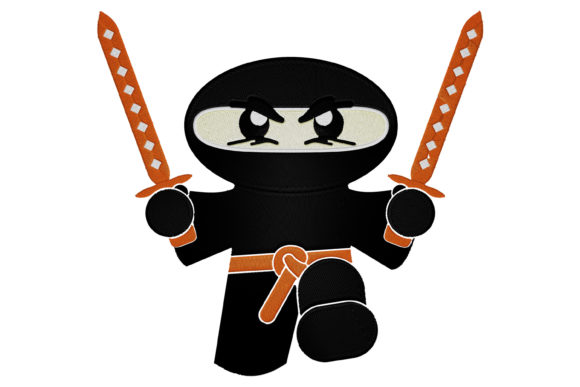
Ensure the hoop size required for the design fits your most common machine setup. If the design requires a massive hoop, your profit margin on a small onesie or cap might be too low. Most digital embroidery file formats allow for some scaling, but be careful. Scaling down too much can cause the small details—like the eyes or the ninja headband—to lose clarity. Keep it at or near the original size for the best results.
Thread Colors & Contrast
This is crucial. A dark grey ninja on a black t-shirt will disappear. You need high contrast to make the design pop. Light grey or white fabric with black thread, or dark fabric with bright thread, is essential. The "pop" of the headband color (typically a bright red or orange) is your best friend here. It draws the eye and immediately communicates the "ninja" theme. Simplify your thread colors for batch production. Black, white, grey, and a single accent color are usually enough to keep production fast and profitable.
Curved Surfaces (Caps)
If you plan to put this on a cap, you’ll need a cap hoop. The design needs to be digitized to handle the curve. A large, flat design might distort on the curved front of a baseball cap. Test a finished product before taking it to market. A well-placed Baby Ninja on a cap is a huge seller, but poor execution will hurt your brand.
Maximizing Your Booth Display & Customer Engagement
How do you sell Baby Ninja? Don’t just hang a onesie. Create a "Nursery Ninja" bundle. Group a tote bag, a onesie, and a patch together. Use strong lighting to highlight the dimensional texture of the embroidery. The beauty of a machine embroidery design is the tactile quality. Customers at craft fairs love to touch the stitches. This is where the handmade quality sells itself.
For your Etsy seller listings, the photography is everything. The high contrast and recognizable subject matter of Baby Ninja will look fantastic in photos. Use a clean background, maybe a bamboo or wooden toy for scale. A printable mockup is great for listing variety, but a real physical sample builds trust. This design is easily searchable and shareable, making it a strong asset for your Etsy seller strategy.
The Designer’s Checklist: Before You Sew to Sell
Before you add Baby Ninja to your commercial embroidery product line, run through this checklist to ensure you are delivering a finished product that sells itself.
- Test Stitch-Out: Always. Use the exact fabric and stabilizer you plan to sell on. Check for gaps or puckering.
- Thread Contrast: View the design from 3 feet away. Can you clearly see the ninja? If not, change the thread colors.
- Hoop Size: Does the design fit your most common hoop size? If it requires a huge hoop, reconsider your product choice.
- Stabilizer Check: Use a cutaway stabilizer for stretchy fabrics. Use a tear-away for stable wovens like towels.
- Commercial License: This is a must. Confirm that your purchase of this embroidery file includes commercial rights to sell the finished products. Respect the artist's terms. The description mentions "multiple embroidery file formats," but you must verify the licensing agreement.
- Real Mockup: Create one real, finished product. Photograph it. Use it as your booth sample. A printable mockup is a digital asset, but the real thing wins sales.
Final Verdict: A Strong Addition to Your Handmade Lineup
Baby Ninja is a strong, versatile, and highly marketable machine embroidery design. It fills a specific niche for modern, playful baby gear. It’s not a generic design; it has personality. As a small shop product, it has the potential to be a consistent seller if you execute it well. Focus on high-quality production, smart fabric choices, and excellent booth display. This design is a surefire way to attract the eye of the modern parent looking for something unique and handmade. It’s a clear winner for your next craft fair product lineup.